
 Posts
Posts


Hey everyone. Welcome to my two-part special on the History of Gaming Consoles on my personal gaming blog: Get Your Game On | Renzie on Gaming.
 I thought I'd do a public service discussing the history of video game consoles since me and a few friends were reminiscing about the good ol' days when we played our first ever video games- the Atari 2600, the Nintendo Family Computer, the Sega Saturn, and finally the first time the Sony Playstation blew our minds.
We're now moving on to the second part of our special on the History of Gaming Consoles. If you missed the first part, you may read it here. We covered the first four generations of gaming systems in our previous post on the subject, so we continue where we left off:
Fifth Generation (1993-2002)
 Video games look so much better now as we enter the 32-bit era, and we see a new surge in not just consoles, but also handhelds and video games in general. The consoles that dominated this time period: the SEGA Saturn, the Sony Playstation, and the Nintendo 64. We all know how that turned out, right?
Many gaming systems have started shifting towards using CD-ROMs instead of game cartridges. Initially the loading times were slow, but as optical drives improved, this issue was addressed. Games in CD format were also cheaper to produce, and the lower costs were passed on to the consumers. Then again, it was also easy to pirate.
Of course, there were other fifth-gen consoles that weren't as commercially successful: The 3DO Interactive Multiplayer, the Amiga CD32 and the Atari Jaguar.
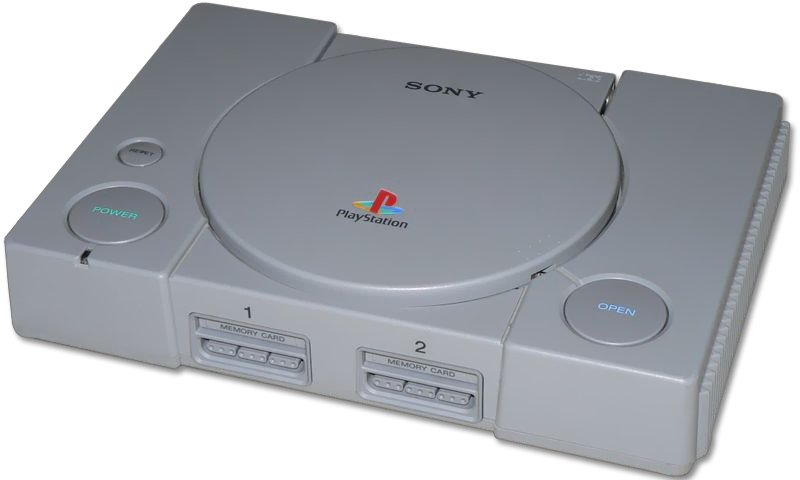 The Sony Playstation was comparatively cheaper than the other consoles at the time, and benefited from an effective marketing campaign: positioning itself as a lifestyle accessory for males in the late teens to late 20's age bracket. Plus, games were easy to program for the Playstation, which made for a lot of games- far more than its closest competitor, the Sega Saturn.
Nintendo was the first to go 64-bit, and did rather well with Super Mario 64. It also came out with updated versions of the Game Boy: the Game Boy Color, Game Boy Light, and the Game Boy Pocket.
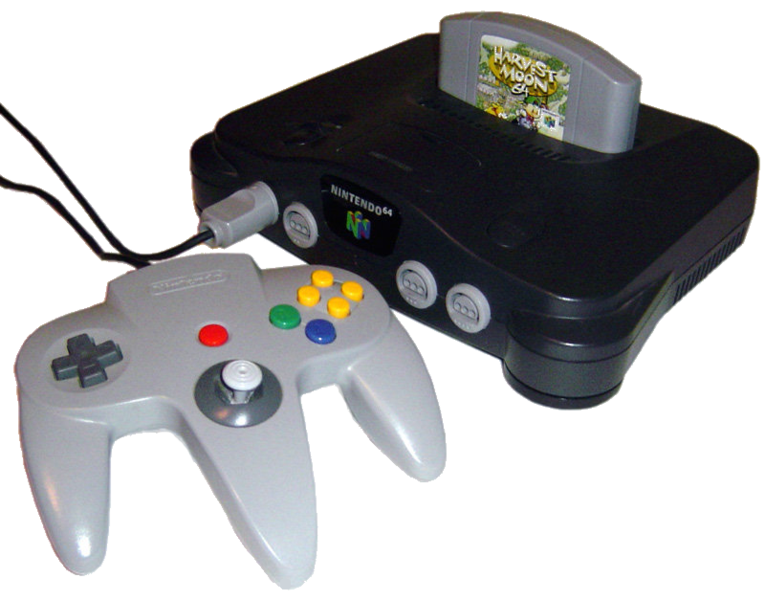 Nintendo did well, but not well enough to pass the Playstation in unit sales. It did have a strong hold on its market, appealing strongly to children and families.
Successful game titles at this time: Gran Turismo, Final Fantasy VII, The Legend of Zelda: Ocarina of Time, Metal Gear Solid, Resident Evil and Silent Hill, Super Mario 64, Panzer Dragoon Saga and GoldenEye 007.
 Sixth Generation (1998-2006)
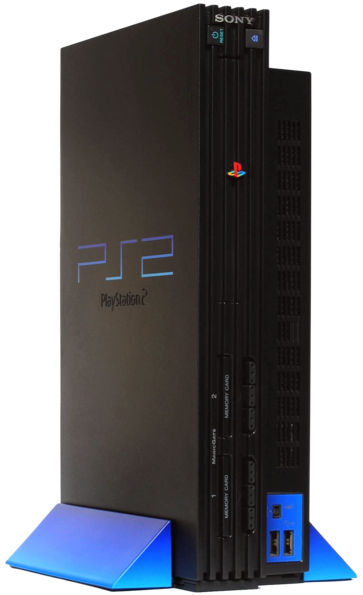
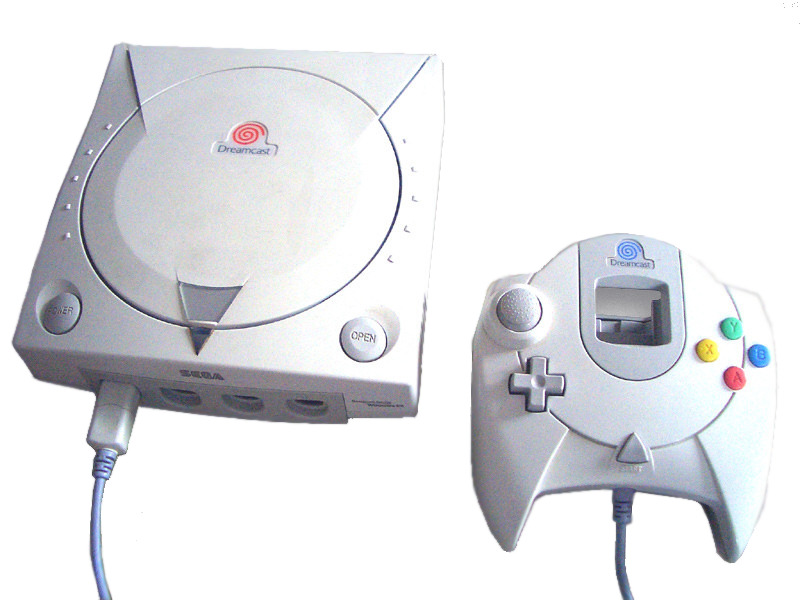
Enter the sixth generation of video game consoles. The sixth-gen era is also referred to as the 128-bit era, and therefore saw the rise of some awesome gaming hardware: Sega's Dreamcast, Sony's Playstation 2, the Nintendo GameCube, and Microsoft's XBox.
The clear winner in this generation was Sony's PlayStation 2- having sold over 140 million units as of mid-July 2008. Those figures also make the PS2 the best-selling console in history.
Microsoft's XBox comes in second with over 24 million units sold, Nintendo's GameCube in third with over 21 million units sold. Sega's Dreamcast came in fourth with just under 11 million units sold, and was discontinued prematurely in 2001, just before the XBox and the GameCube were released later that year.
Handhelds had also become more sophisticated. Nintendo saw continued success with its various new GameBoys, and then you had Nokia coming out with a gaming handheld/mobile phone hybrid in 2003- the Nokia N-Gage, and then the N-Gage QD a year later.
 By this era, many game publishers started developing a cross-platform strategy, releasing versions of their games over multiple systems- PC, major consoles, and sometimes, even handhelds.
 We also saw the rise of online gaming. While the Dreamcast was the first to incorporate a modem and browsing software into its system, it was the XBox that enabled players to play with other gamers online with XBox Live.
 Notable gaming titles in this era: Grand Theft Auto III, GTA: Vice City, and finally GTA: San Andreas, Resident Evil 4, Shenmue and Soul Calibur for the Dreamcast, Halo and Halo 2 for the XBox, Metroid Prime for the GameCube, and the Disney/Square-Enix collaboration, Kingdom Hearts.
 Seventh Generation (2004- today)
The Seventh Generation of gaming consoles is pretty much what we have right now-- the Nintendo Wii, Microsoft's XBox 360, and the Sony PlayStation 3.
The XBox 360 came out in November 2005, almost a full year ahead of the other two, and continued to enjoy strong sales in North America and Europe. Its advantage over its competitors has been the quantity and quality of titles, with even more titles coming out by the end of the year.
 Sony's Playstation 3 hit the shelves on 11 November 2006, and had come equipped with Blu-ray capabilities, a feature critical to the success of the Blu-ray format, according to Sony Pictures Home Entertainment execs.
 The Nintendo Wii dropped in stores on 19 November 2006, and had turned out to be the biggest selling gaming system of all three seventh-gen consoles. The Wii positioned itself to capture not just hard-core gamers, but also casual gamers, non-gamers and lapsed gamers.
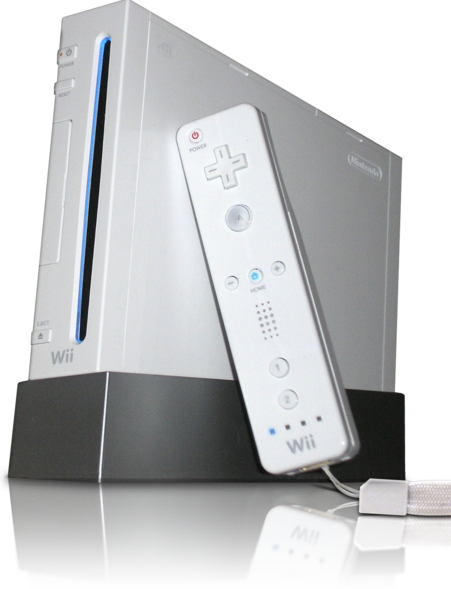 In addition to its popular franchises, and in line to make the console more appealing to casual gamers, the Nintendo Wii came out with the Wii Series of games- which simulated real-world activities, or played around with sports, music, or doing exercises- all making use of its new gaming controllers equipped with motion-sensors.
The Wii and certain (earlier) models of the PS3 are fully backwards compatible with titles from their earlier counterparts.
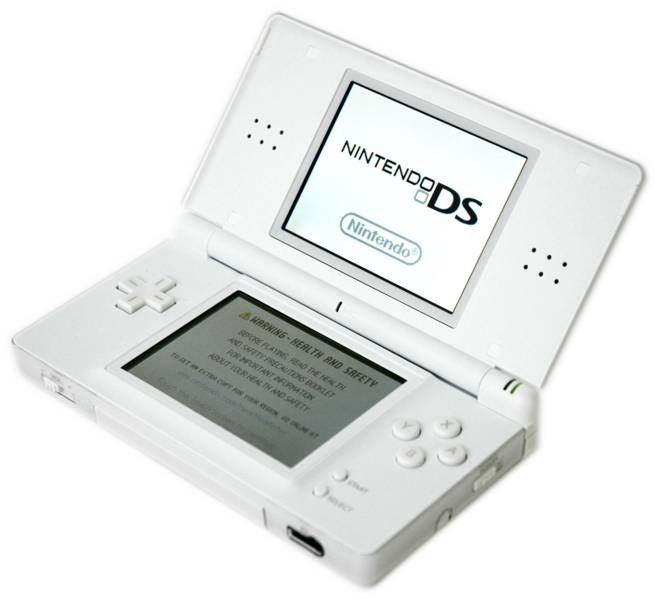 As for handheld systems, we have the Nintendo DS (and later, the DS Lite) and Sony's PlayStation Portable (or PSP, and the succeeding PSP Slim and PSP Lite). The DS proved to be more popular with both core gamers and new consumers, while the PSP was mainly marketed towards a 25+ year-old (core gamer) market.
 Notable titles for the Seventh Generation: Halo 3, Gears of War, Mass Effect and BioShock for the XBox 360, God of War, Gran Turismo, Metal Gear Solid 4 and Final Fantasy Versus XIII for the PS3 and Super Smash Bros. Brawl and Wii Sports for the Wii.
There you have it, ladies and gentlemen. A crash course on the History of Gaming Consoles. Hope you learned something new today.
Cheers, everyone!